How Verification Protocols Shape Accessibility in Multi-Sport Digital Wagering Platforms
Eden Wolf · Aug 25, 2026
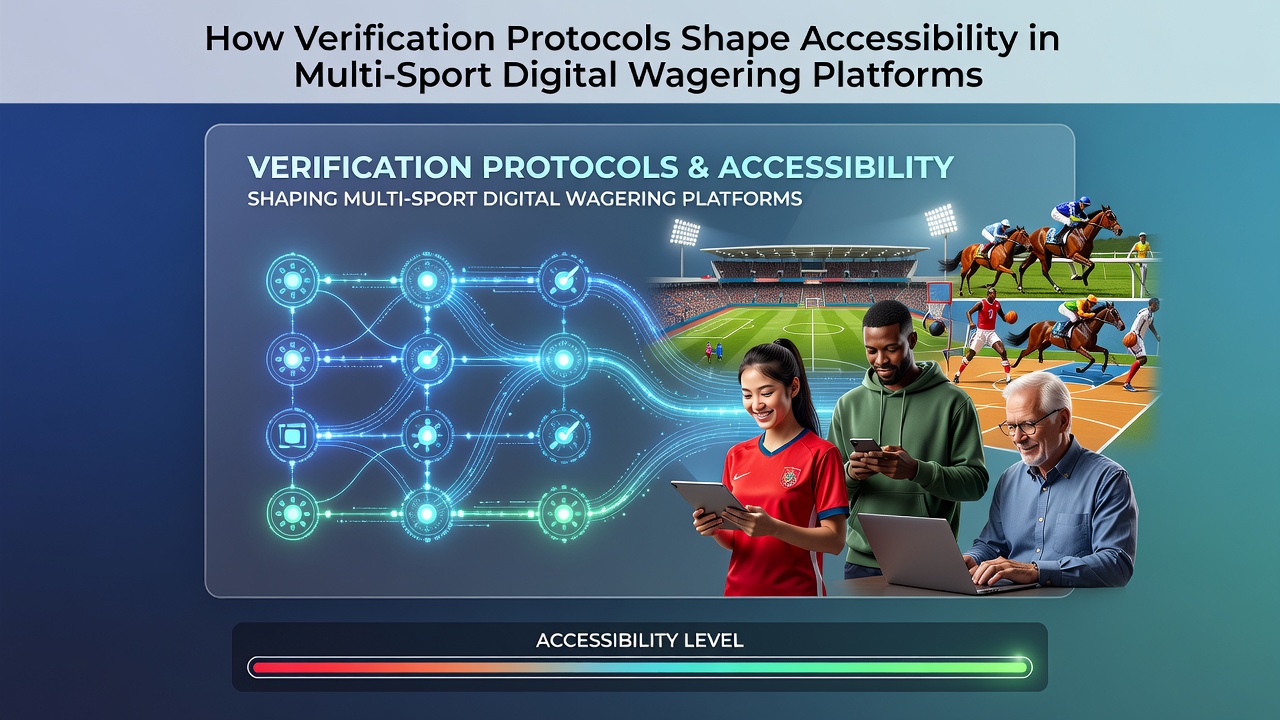
How Verification Protocols Shape Accessibility in Multi-Sport Digital Wagering Platforms
Verification protocols in multi-sport digital wagering platforms combine identity checks, age confirmation, and anti-money laundering measures that directly influence how users gain entry to betting services across football, basketball, tennis, and other events. These systems require users to submit documents such as government-issued IDs, proof of address, and sometimes biometric data before accounts become fully functional, and the process determines whether new participants can place wagers promptly or face delays that extend from hours to several days.
Research from the University of Nevada Reno Gaming Research Center shows that platforms applying streamlined verification reduce average onboarding time to under 15 minutes while maintaining compliance standards, whereas more rigorous manual reviews extend that timeline and lead to higher abandonment rates during initial registration. Data indicates that multi-sport platforms handling live events in several time zones benefit when verification integrates automated document scanning with real-time database cross-checks, allowing users to access diverse markets without repeated interruptions.
Core Components of Verification Systems
Age verification forms the first layer in most jurisdictions, and operators pull from national databases or third-party services to confirm users meet legal thresholds before any sports betting activity begins. Identity confirmation follows through address validation and facial recognition technology that matches submitted photos against official records, while transaction monitoring flags unusual patterns that might indicate money laundering across different sports betting categories. Observers note that platforms covering international competitions often layer additional checks for users in regions with varying regulatory requirements, creating a system where one account might undergo multiple approval stages depending on the events selected.
Effects on User Accessibility
Accessibility suffers when verification demands create friction for users who lack immediate access to digital copies of documents or reside in areas with limited internet connectivity, and studies reveal that mobile-first bettors experience higher drop-off during photo upload stages compared to desktop users. Platforms that incorporate eID solutions from government-issued digital IDs in countries like Estonia and Australia report faster completion rates, since users verify identity through existing national systems rather than uploading separate files. Those who've examined adoption patterns find that multi-sport environments, where users switch between pre-match and in-play betting on various disciplines, reward operators who keep verification lightweight yet secure because repeated logins for each session type would otherwise compound access barriers.
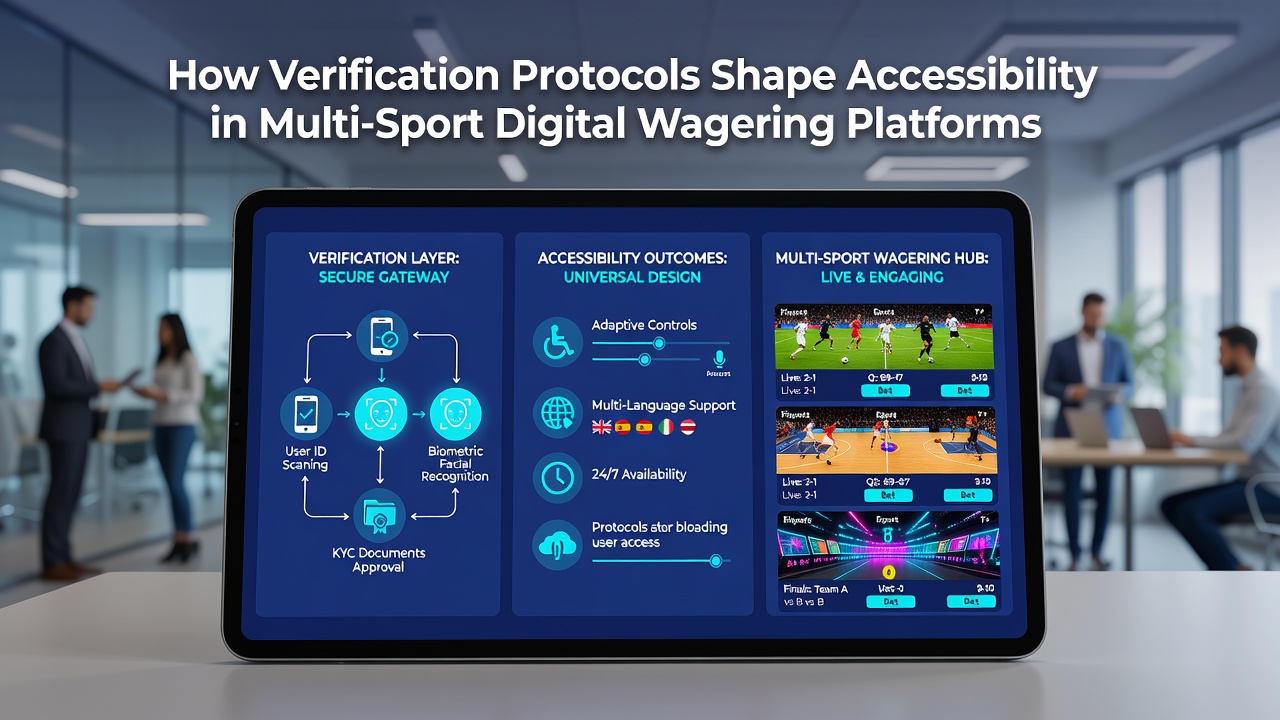
Evidence from industry reports compiled by the Canadian Gaming Association highlights that platforms integrating biometric options such as fingerprint or facial scans see a 28 percent increase in successful first-time deposits among verified accounts, since these methods bypass manual reviews after initial setup. Yet the same data shows that users in regions without widespread biometric infrastructure still rely on slower document-based processes, which limits participation in time-sensitive markets like tennis matches or basketball games that unfold across different continents. What's significant is how verification protocols interact with responsible gambling tools, because once an account clears checks, operators can apply deposit limits and self-exclusion flags more reliably across all sports categories.
Technological Shifts and Regional Variations
Artificial intelligence now assists many verification workflows by flagging inconsistencies in uploaded documents within seconds, and this reduces the need for human intervention that previously created backlogs during peak registration periods around major tournaments. In August 2026, several platforms plan to roll out updated protocols aligned with emerging EU digital identity frameworks that allow cross-border recognition of verified status, which could streamline access for users who bet on events spanning multiple countries without re-verifying each time. Researchers at academic institutions tracking these developments observe that such changes particularly benefit multi-sport operators because participants often engage with overlapping schedules in football, cricket, and rugby that require consistent account access.
Operators in the United States follow state-specific rules that sometimes demand geolocation checks alongside identity verification, and this combination adds another step that can affect users near state borders who want to wager on national leagues. Australian regulatory updates have encouraged platforms to adopt reusable verification tokens, allowing bettors to move between different sports markets after a single approval cycle rather than repeating the process for each new event type. Those who've studied user behavior across regions report that platforms balancing thorough checks with quick re-authentication maintain higher retention in live betting environments where timing matters.
Conclusion
Verification protocols continue to evolve as multi-sport digital wagering platforms expand their offerings, and the balance between security requirements and user access determines how easily participants enter and remain active across various sports markets. Data from regulatory bodies and academic sources shows that automated tools and standardized digital identities improve completion rates while preserving compliance, and ongoing developments through 2026 will likely refine these systems further. Operators who align verification with regional standards and emerging technologies create environments where users can engage with multiple sports without unnecessary delays, while those relying on outdated manual processes risk excluding segments of potential participants who encounter repeated barriers during onboarding.